
Ingredients & wellbeing
Is Thekua a Healthy Snack? Ingredients, Nutrition & Mindful Portions
Mom's Tokri · · 5 min read
A closer look at whole-wheat atta, jaggery, ghee and the nutrition of this beloved Bihari snack—and how to enjoy it mindfully.
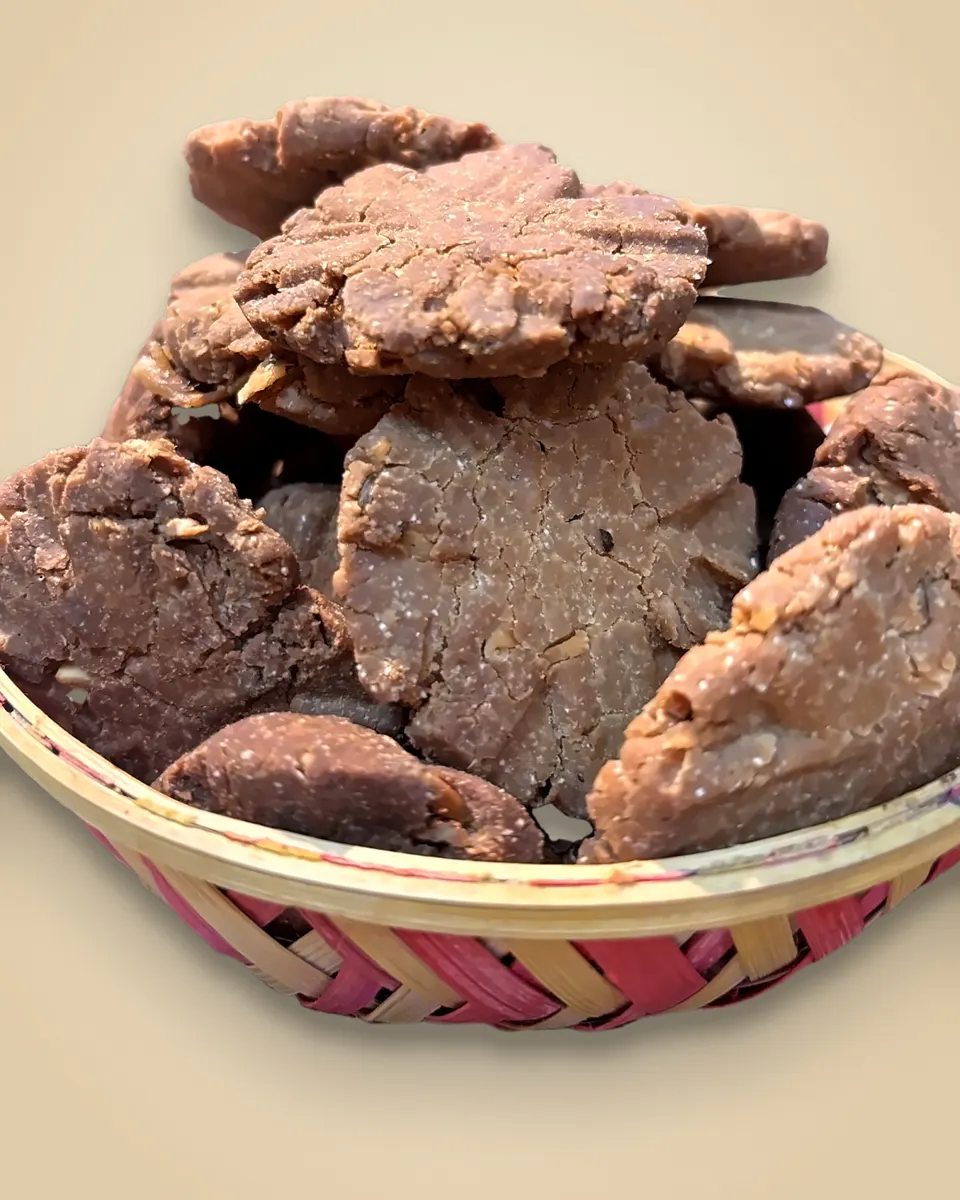
Thekua brings together the comfort of home, the sweetness of gur and the unmistakable imprint of a wooden saancha. But is it a healthy snack? Here at Mom’s Tokri we would rather give you the honest answer than a flattering one: thekua can be enjoyed as part of a balanced diet in a modest portion—not because it is a low-calorie food, but because knowing what goes into your snack helps you make an informed choice.
A Bihari tradition, made for sharing
In Bihar, thekua is closely associated with Chhath Puja and the prasad prepared in family kitchens. Beyond the festival, it is a familiar companion to chai: crisp, sweet and full of memories of home.
At Mom’s Tokri in Bengaluru, we mix the dough by hand, press it in a wooden saancha and fry it in oil in small batches. That handmade character is part of its appeal, but homemade does not automatically mean low in sugar or fat.
What goes into our gur thekua?
Classic Gur Thekua is made with whole-wheat atta, jaggery, ghee, desiccated coconut, saunf and green cardamom, then fried in oil. Kaju-Badam Gur Thekua adds cashew and almond to that combination.
Whole-wheat atta contributes naturally occurring fibre. Coconut gives the dough its distinctive texture, while saunf and cardamom bring aroma. Cashew and almond add flavour and texture to the Kaju-Badam version. These ingredients are worth understanding, but none makes the finished fried snack a health food on its own.
Ghee is used in our dough; oil is used for frying. Both contribute to the finished snack’s fat and energy content. If you are choosing between our products, read the individual ingredient and allergen information rather than assuming every thekua recipe is the same.
Does jaggery make it sugar-free?
No. Gur gives thekua its deep, familiar sweetness, but jaggery is still a source of sugar. A jaggery-sweetened snack is not sugar-free, and thekua should not be described as suitable for diabetes simply because it uses gur instead of white sugar.
If you manage blood glucose or follow a prescribed diet, consider the total carbohydrate content and your portion size. Ask your clinician or dietitian how sweet snacks fit your individual needs.
What our lab report tells us
The gur thekua sample tested by Prewel Labs (NABL Accredited), report FD/0568, recorded 549.69 kcal, 6.15 g protein, 49.44 g carbohydrate and 3.73 g dietary fibre per 100 g. It also recorded 36.37 g total fat, including 22.5 g saturated fat, and 11.35 g total sugars, including 10.26 g added sugars, per 100 g.
Those figures show why portion size matters: thekua is an energy-dense sweet snack, not a low-fat or low-calorie option. The report describes the tested gur thekua sample; batches made by hand in our Mom’s Tokri kitchen can vary, and these results should not be treated as a separately tested profile for every variant.
WHO guidance recommends limiting saturated fat and free sugars within a healthy diet and choosing a variety of foods, including whole grains, vegetables, fruits and pulses. Enjoying thekua should sit alongside that variety, not replace it.
Enjoy thekua mindfully
Serve a small portion on a plate instead of eating straight from the pouch. Take your time with the crisp texture and the flavour of gur, saunf and cardamom, then decide whether you want more.
If you enjoy it with chai, choosing unsweetened tea avoids adding more sugar to that snack occasion. Across the day, keep room for fruit, vegetables, pulses and other foods that provide a wider range of nutrients.
A 250 g or 500 g Mom’s Tokri pouch is a pack size, not a suggested single serving. The right portion depends on your needs and the rest of your diet; there is no one-size-fits-all number of pieces.
Check allergens and store it well
Our thekua contains wheat (gluten) and milk from ghee. Kaju-Badam Gur Thekua also contains cashew and almond. Classic is made in a kitchen that handles tree nuts and may contain traces, so it is not a guaranteed nut-free option.
Keep the pouch in a cool, dry place and reseal it after opening. Follow the packing date and best-before information on your pouch; our current best-before period is 21 days from packing.
The takeaway: tradition with balance
Thekua does not need a miracle health claim to be worth enjoying — and at Mom’s Tokri we will not make one. Its appeal is honest ingredients, a handmade saancha pattern and a taste that connects people to home. Treat it as a sweet, fried snack, enjoy a mindful portion, and let the rest of your diet provide balance.
Sources & nutrition note
Product ingredients and nutrition: Mom’s Tokri catalogue and owner-supplied Prewel Labs report FD/0568. This article is general food information, not personalised medical or dietary advice.